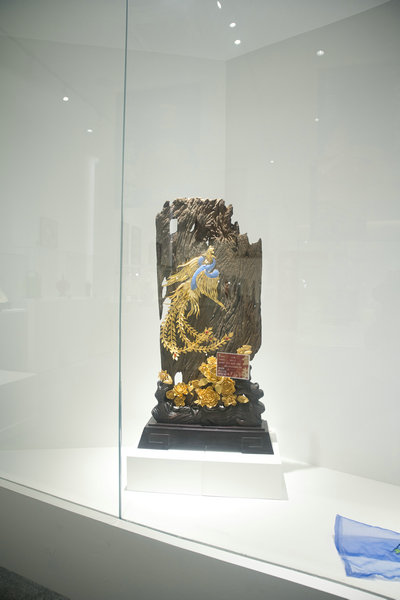
Metal Filigree Inlay
Introduction
Metal filigree inlay is a traditional Chinese court craft combining fine metalworking with gemstone and pearl inlays. Known for its intricate techniques, elegant designs, and artistic excellence, this heritage craft is primarily associated with Beijing and Dachang Hui autonomous county in Hebei province. It has been celebrated as one of China’s finest traditional crafts but now faces challenges in preservation.
Historical Development
The origins of metal filigree inlay date back to the Spring and Autumn Period (770–476 BC). By the Ming Dynasty (1368–1644), the craft had reached extraordinary levels of refinement, with its products gracing imperial courts and gaining international acclaim. In the Qing Dynasty (1644–1911), the art evolved further, incorporating diverse influences and producing masterpieces recognized globally.
Techniques and Process
Metal filigree inlay involves multiple sophisticated techniques, classified into eight primary methods:
Bending: Shaping metal threads into patterns.
Filling: Adding materials into the shaped designs.
Assembling: Combining pieces to form complex structures.
Welding: Joining components securely.
Stacking and Layering: Building intricate three-dimensional details.
Weaving and Braiding: Crafting fine textures with metal threads.
The production process involves:
Designing: Creating patterns influenced by Chinese cultural motifs.
Shaping Metal Threads: Using gold or silver wires, sometimes as thin as 0.2 mm, to form intricate frameworks.
Inlaying: Embedding gemstones, pearls, or enamels.
Polishing and Finishing: Enhancing the luster of the final piece.
Cultural Significance
Metal filigree inlay reflects China’s rich artistic traditions and technical mastery. Its motifs often draw from traditional Chinese culture, including nature, mythology, and auspicious symbols. The craft requires extraordinary skill, with many techniques passed down through apprenticeships or family workshops.








